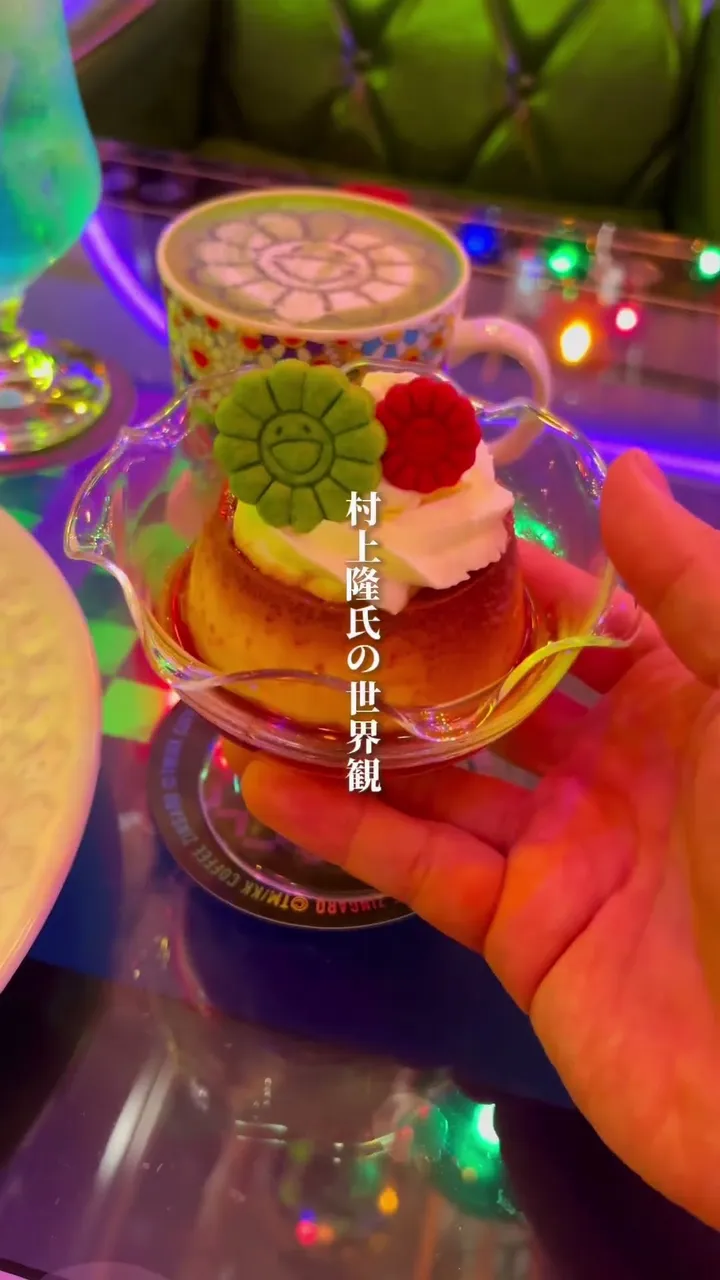
Tokyo
Cafe
Flower-Pancake Café in Nakano
Pancake
Tokyo, Japan · Aug 2024 · 1 place
Japanese pancakes (ホットケーキ) are known for their thick, fluffy texture and soft, comforting bite. Served with butter, maple syrup, fruit, or whipped cream, they've become one of Japan's most popular café treats.
The concept of ホットケーキ emerged as Western‑style cafés spread across Japan in the mid‑20th century. During this era, Japanese bakers began to experiment with lighter, airy breads and desserts, blending local techniques with imported recipes to create a uniquely Japanese version of the pancake.
People are drawn to ホットケーキ for its cloud‑like interior that melts in the mouth and its versatility. The gentle sweetness pairs well with seasonal fruit or a drizzle of maple syrup, while the buttery finish offers comfort reminiscent of home‑cooked meals.
It's best eaten straight off the griddle for breakfast or brunch, while the stack is still hot and the butter is melting in. People order it as the centerpiece—thick soufflé-style or a classic hotcake—and often share one between two rather than treating it as a quick bite.
Pancake
Tokyo, Japan · Aug 2024 · 1 place
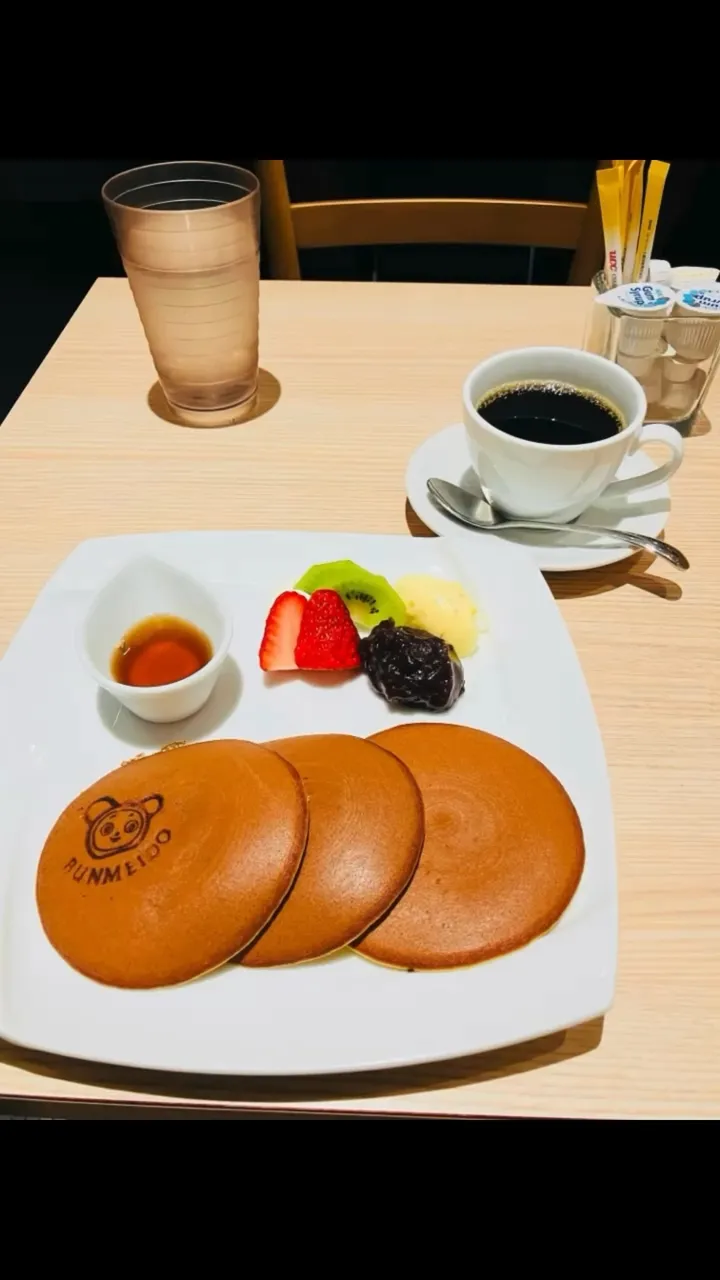
Pancake
Tokyo, Japan · Apr 2024 · 1 place
By 純喫茶放浪記
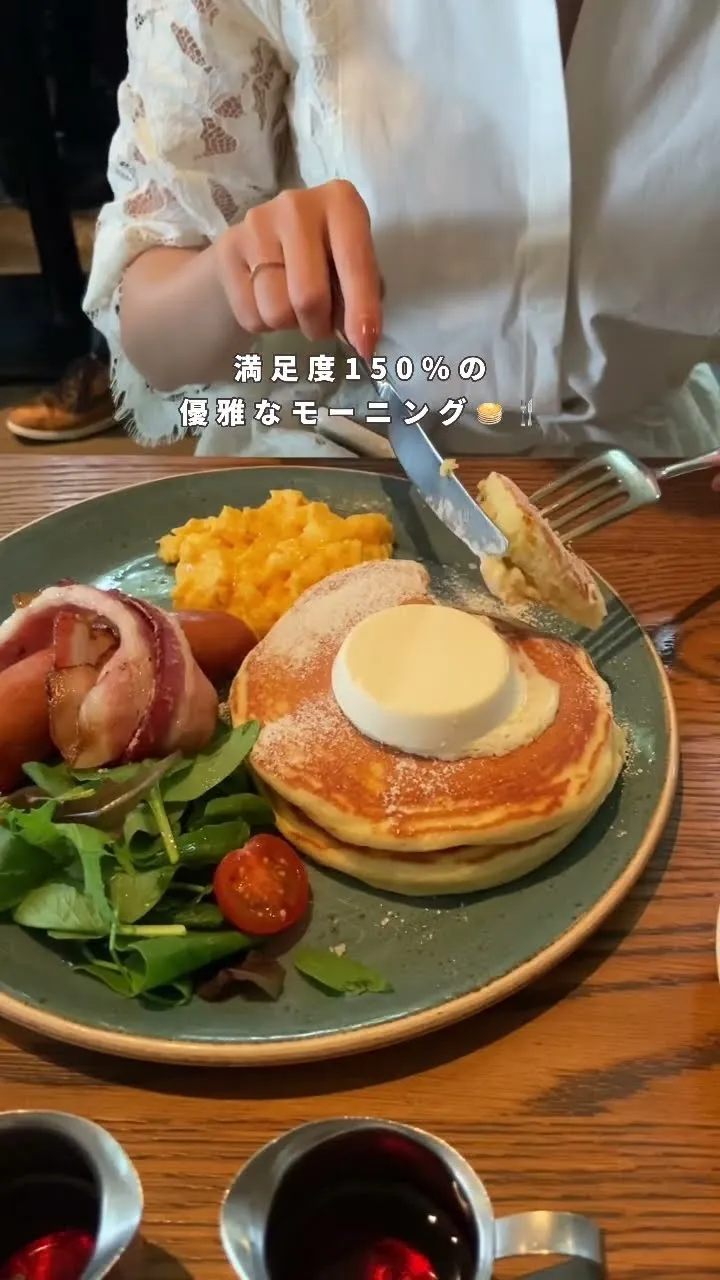
Pancake
Tokyo, Japan · May 2023 · 1 place
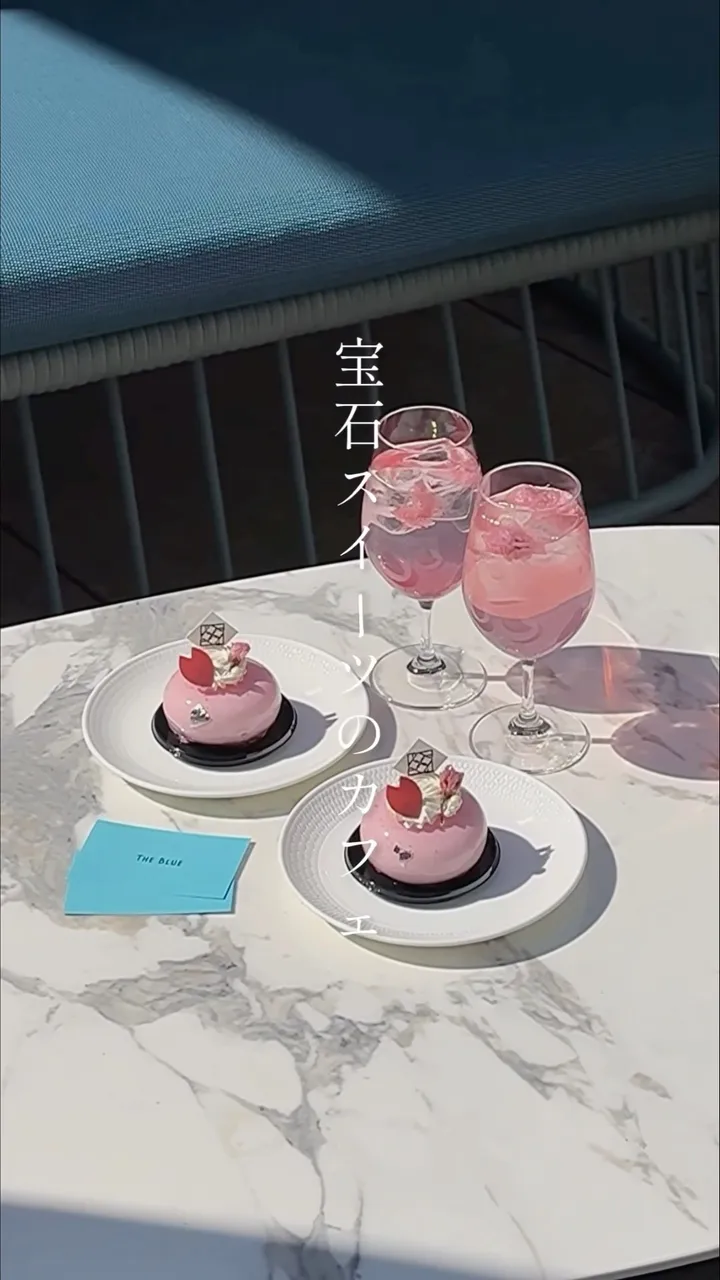
Cherry soda
Tokyo, Japan · Mar 2025 · 1 place
Pancake
Tokyo, Japan · Jan 2023 · 1 place