Tokyo
Bakery
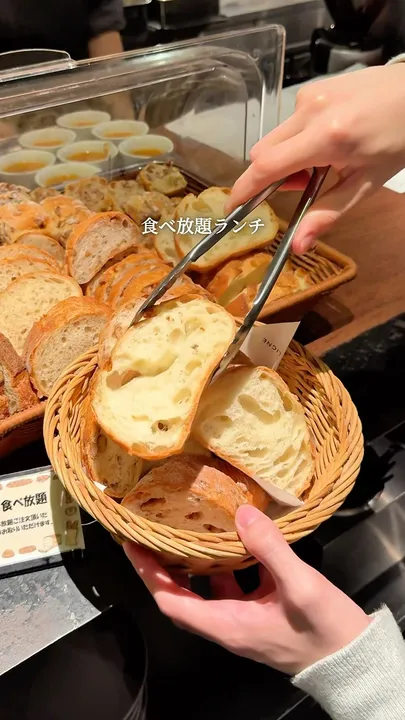
All‑You‑Can‑Eat Bread in Marunouchi
Bread assortment
Tokyo, Japan · Apr 2025 · 1 place
Japanese bakery cafés combine freshly baked bread with the relaxed atmosphere of a neighborhood coffee shop. From buttery croissants and crusty loaves to seasonal pastries, they're popular spots for breakfast, light lunches, and afternoon coffee.
After World War II, Western baking techniques were introduced to Japan, sparking a fascination with bread that had been largely unknown before the war. During the rapid economic boom of the 1950s and ’60s, small bakeries began opening in neighborhoods, offering freshly baked loaves alongside coffee. By the late 1970s, these establishments evolved into the modern bakery café, blending Western pastries with a Japanese emphasis on seasonal ingredients and meticulous presentation.
People are drawn to bakery cafés because they offer a comforting, almost nostalgic experience that blends the familiarity of home‑baked bread with the social vibe of a café. The seasonal variety—from matcha croissants in spring to chestnut buns in autumn—celebrates Japan’s emphasis on time‑limited flavors. Moreover, the relaxed setting encourages lingering over a cup of coffee while sharing stories, making each visit feel like a quiet retreat from city bustle.
Regulars treat it as a morning ritual: arrive while the loaves are still warm, grab a milk bread or anpan to take home, or stay for a just-baked pastry with a pour-over coffee. Many time their visit to when a favorite item comes out of the oven rather than to a season or a view.
Bread assortment
Tokyo, Japan · Apr 2025 · 1 place
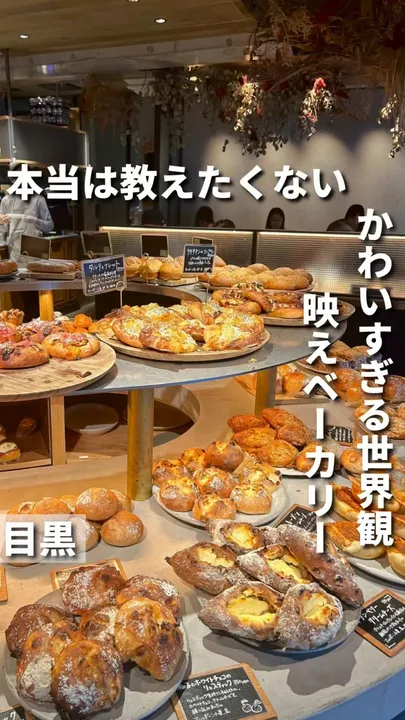
Toast
Tokyo, Japan · Jan 2024 · 1 place
By 365日東京グルメ巡り

Bread
Tokyo, Japan · Oct 2024 · 1 place
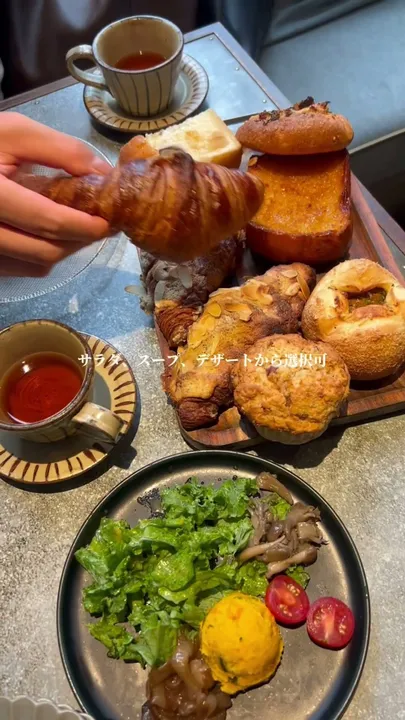
Bread assortment
Tokyo, Japan · Oct 2024 · 1 place

Omakase · 3800
Tokyo, Japan · Feb 2025 · 1 place
By 東京カフェグルメ
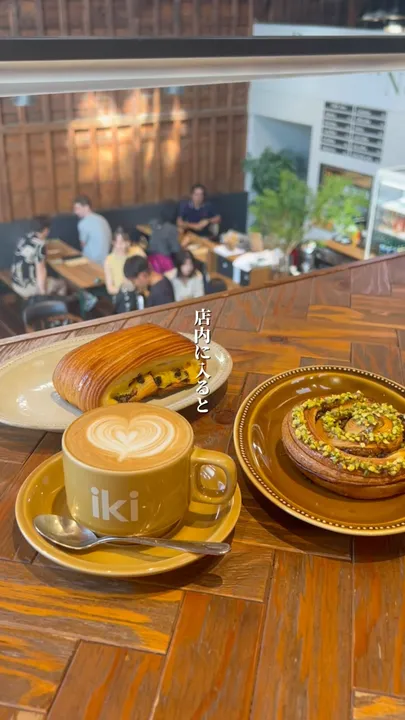
Warehouse cafe
Tokyo, Japan · Sep 2024 · 1 place
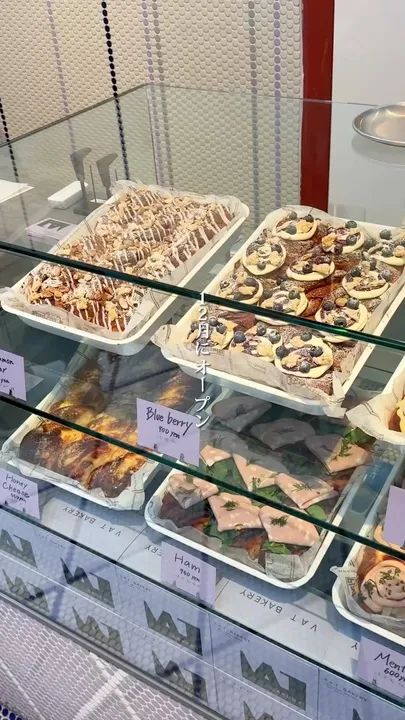
Bread lovers
Tokyo, Japan · Jan 2025 · 1 place
By penchan vlog

Bread
Tokyo, Japan · Jan 2025 · 1 place
By 東京カフェちゃんねる

Bread
Tokyo, Japan · Jan 2025 · 1 place
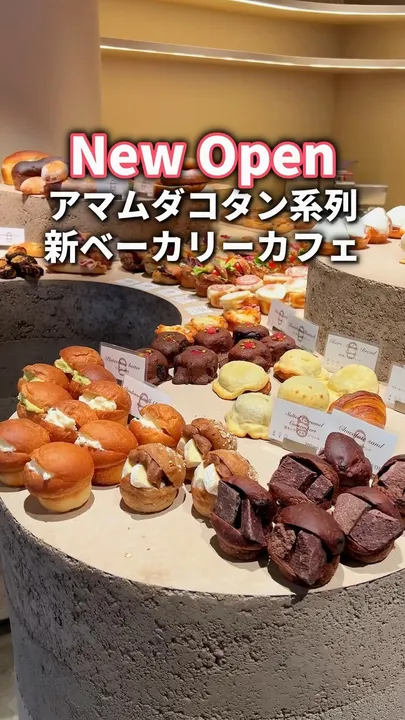
Bread
Tokyo, Japan · Feb 2024 · 1 place
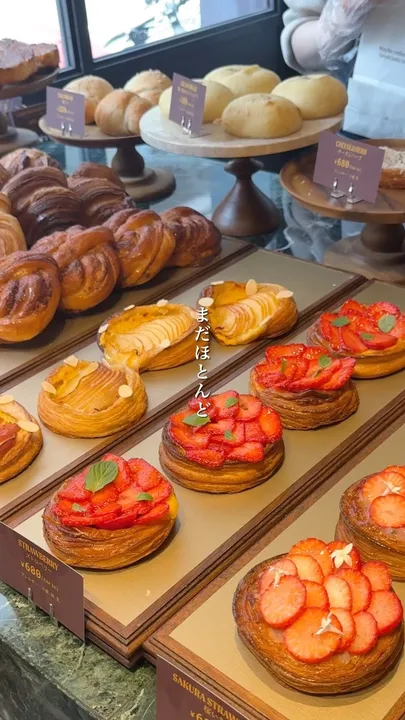
Danish
Tokyo, Japan · May 2025 · 1 place
By penchan vlog
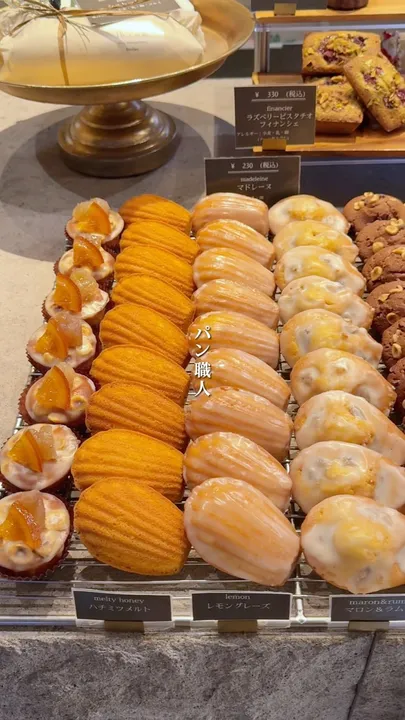
Warehouse cafe
Tokyo, Japan · Oct 2025 · 1 place
By penchan vlog

Croissant
Tokyo, Japan · Dec 2024 · 1 place
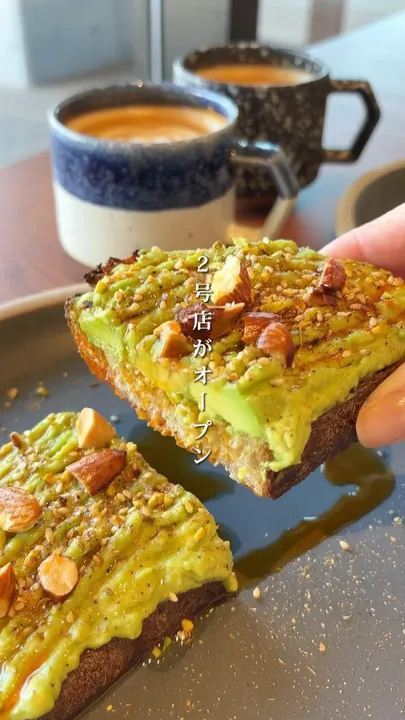
Croissant
Tokyo, Japan · Apr 2024 · 1 place
By penchan vlog
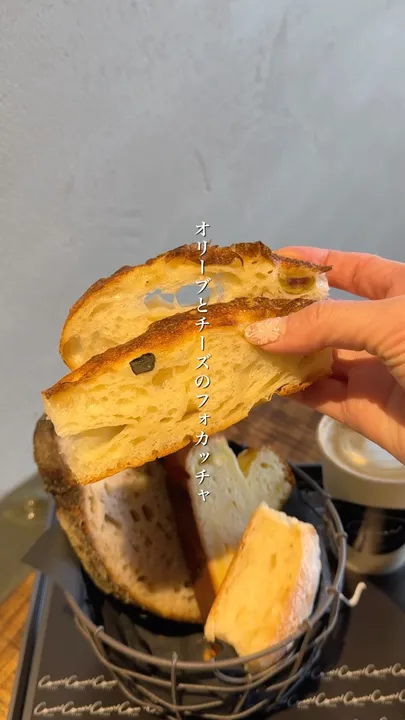
Bread assortment
Tokyo, Japan · Mar 2025 · 1 place
By penchan vlog

Donut
Tokyo, Japan · Dec 2024 · 1 place
By 東京カフェグルメ
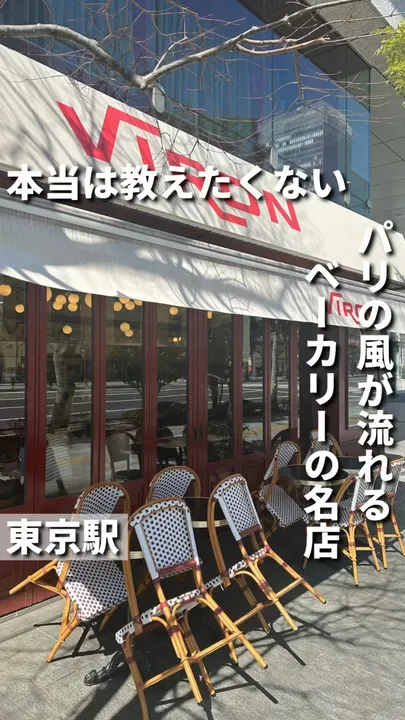
Famous bakery
Tokyo, Japan · Mar 2024 · 1 place
By 365日東京グルメ巡り
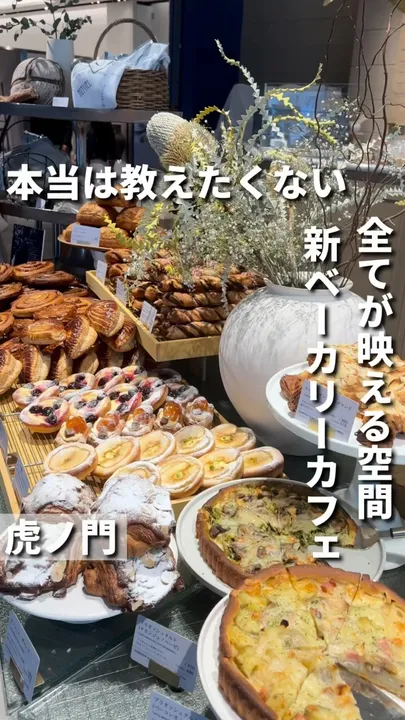
Croissant
Tokyo, Japan · Mar 2024 · 1 place
By 365日東京グルメ巡り

Boo Roll (pistachio) · ¥640
Tokyo, Japan · Oct 2023 · 1 place
By penchan vlog
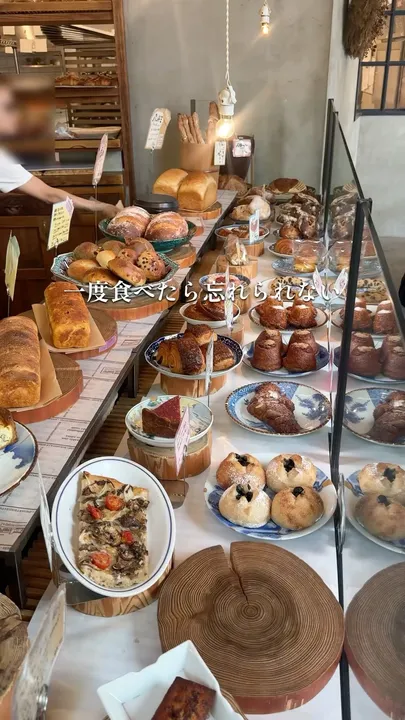
Bread lovers
Tokyo, Japan · Sep 2025 · 1 place