
Tokyo
Butter Croissants for Autumn – ¥540
Architecture
Tokyo, Japan · Sep 2024 · 1 place
Freshly baked throughout the day, Japanese croissants (クロワッサン) are prized for their crisp buttery layers and light, airy texture. Whether enjoyed plain or filled with chocolate, custard, or ham and cheese, they're a staple of bakery cafés across Japan.
After World War II, Japanese bakers began experimenting with French techniques, bringing croissants into the country during the 1950s and 1960s. The buttery, flaky pastry quickly captured the imagination of city dwellers, becoming a beloved item in bakeries and kissaten as Japan embraced Western culinary influences.
People love クロワッサン for its delicate crunch that gives way to a melt‑in-the-mouth butteriness, plus the endless variety of fillings that cater to every craving. Its portable size and comforting aroma make it an ideal companion during commutes, study sessions, or casual coffee breaks, embodying both indulgence and practicality in Japanese café culture.
The point is freshness: people eat it while it's still warm and shatteringly crisp, straight from the bakery, usually with a simple black coffee. Many buy an extra to take home, and filled versions like an-butter or matcha custard give regulars a reason to keep coming back.
Architecture
Tokyo, Japan · Sep 2024 · 1 place
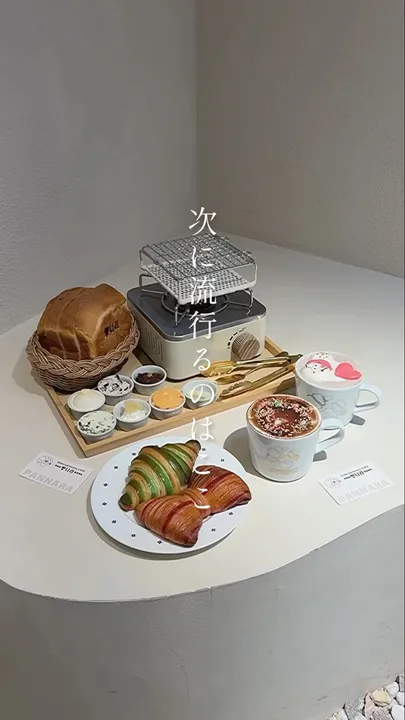
Croissant
Tokyo, Japan · Dec 2024 · 1 place
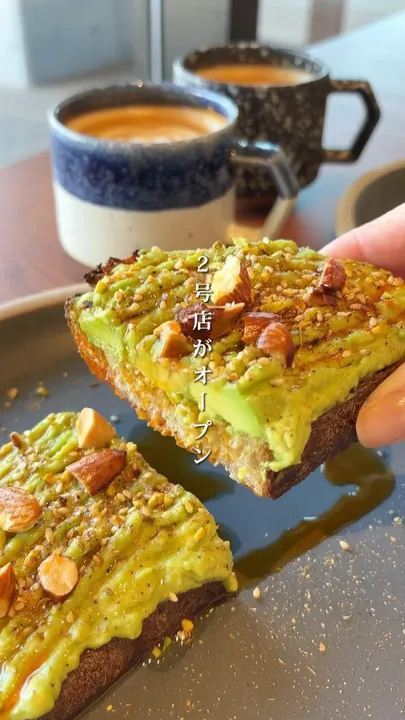
Croissant
Tokyo, Japan · Apr 2024 · 1 place
By penchan vlog
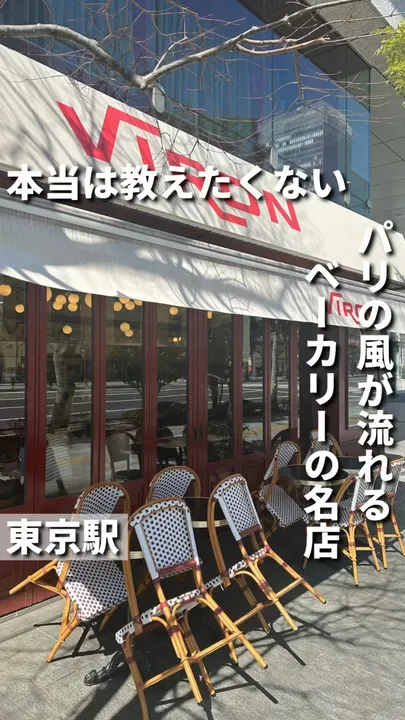
Famous bakery
Tokyo, Japan · Mar 2024 · 1 place
By 365日東京グルメ巡り
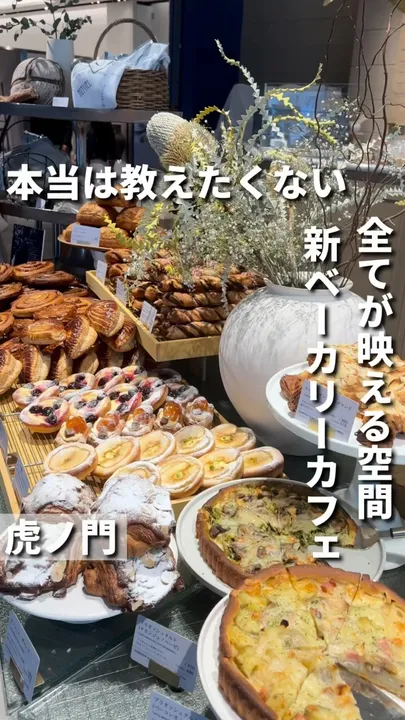
Croissant
Tokyo, Japan · Mar 2024 · 1 place
By 365日東京グルメ巡り